

What Sets Steel Cord Conveyor Belts Apart?
Steel cord conveyor belts are a vital component in the material handling sector, especially in industries where bulk material transportation is a critical operation.
These belts are distinct from their counterparts, the fabric conveyor belts, in several key aspects.
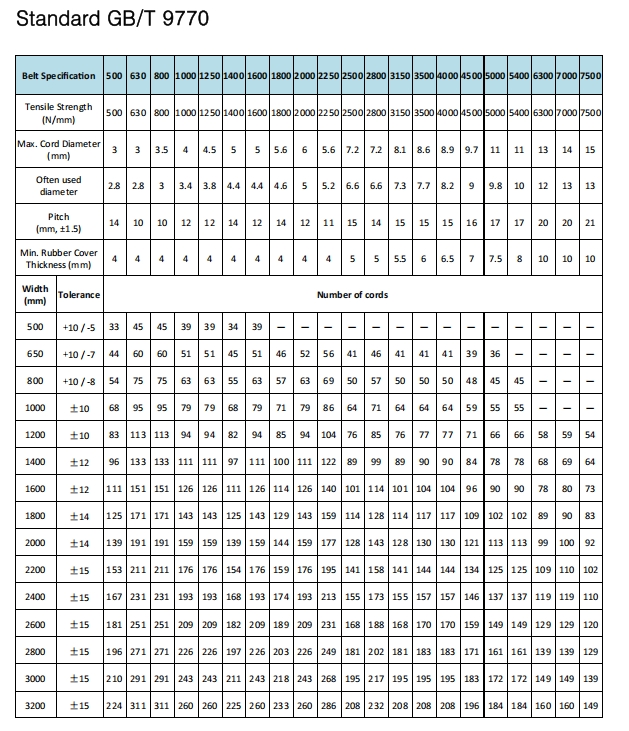
Understanding these differences, along with the specific steel cord conveyor belt specifications and the role of steel cord conveyor belt specifications, is crucial for industries looking to optimize their conveyor systems.
4.Long Centre Distances: Steel cable has much lower elongation than fabrics, and this, in addition to the strength, lets belts be designed with long distances between pulleys; and takeups and transfer points are less constraining.
5.Smaller Pulley Diameters: With a much thinner carcass than a fabric belt of the equivalent rating, steel cord belts can be run on pulleys with smaller diameters, which leads to energy savings. The superior dynamic modulus of steel over fabric means that fatigue is much less.
6.High Impact Resistance: Typically, steel cord belt design leads to a greater proportion of rubber in the whole belt compared to textile conveyor belts. Additional rubber means that impact energy is better absorbed by the belt; making steel cord belts a good choice for any application where there can be sudden heavy individual pieces.
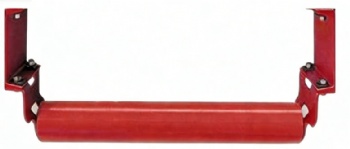
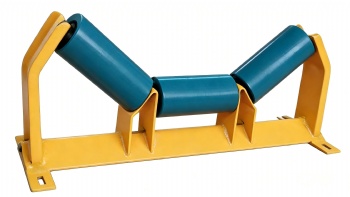
7.Excellent Troughability: Even the highest rated steel cord belts trough perfectly on deep troughed idler sites. This ensures easy belt training, and gives the belt a larger effective capacity; allowing the user to either increase throughput, or use a narrower belt.
8.Long Life Expectancy: Steel cord belts can be supplied with a thinner carcass and thicker cover rubber for the same rating as an equivalent fabric belt; which increases the belt life. The carcass also has a greater life than an equivalent fabric carcass.
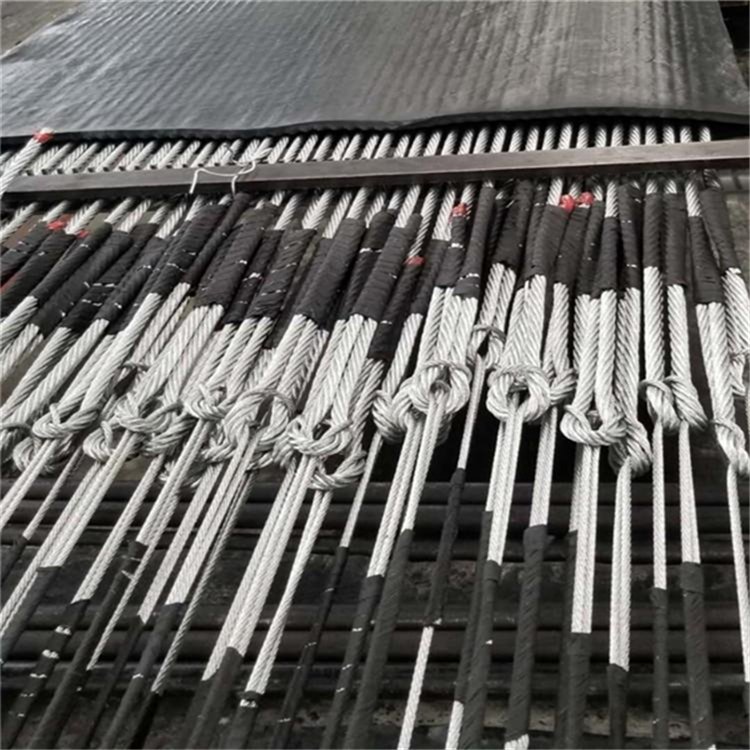
9.Splice Life and Strength: Properly provided belt splices can last as long as the Belt itself. They can also achieve spliced strength equivalent to almost 100% of the strength of the Belt.
10.Easy Reconditioning : Steel cord belts can be repaired with hot or cold vulcanization and the damaged edges can be restored to their original width by hot repair. Worn out covers can be replaced with fresh rubber, durable enough to completely rejuvenate the belt, delivering even greater economy for the customer.
Features
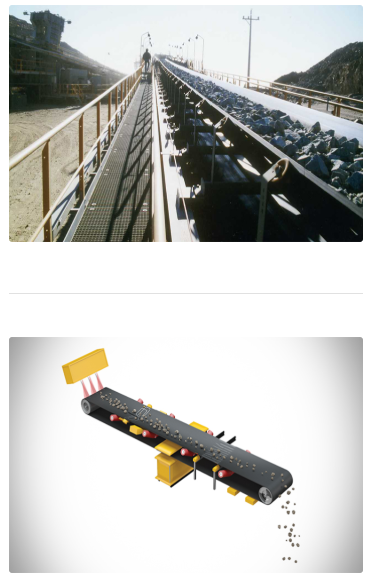
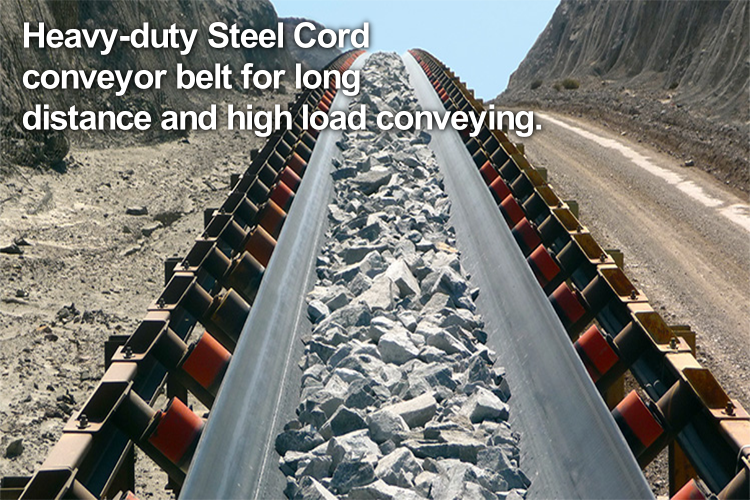
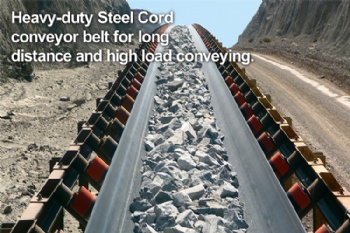
Applications: Used in coal, ore, port, metallurgical, power and chemical industries, suitable for long distance and heavy load transportation of materials.
Standards offered: GB/T9770, DIN22131, EN ISO 15236, SANS1366, AS1333.
Special Grade: Heat resistant, LRR, FRAS, FRAS & Cold Resistant, Abrasion & Acid Resistant.
Breakers reinforced: NN breaker; Metal breaker; Kevlar breaker
Sensor loops (in bottom cover): Becker, Coal Control, Goodyear.
Construction
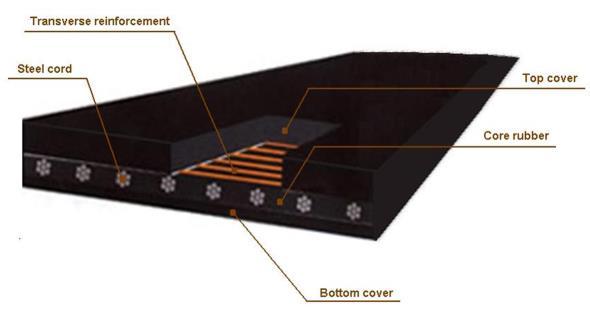
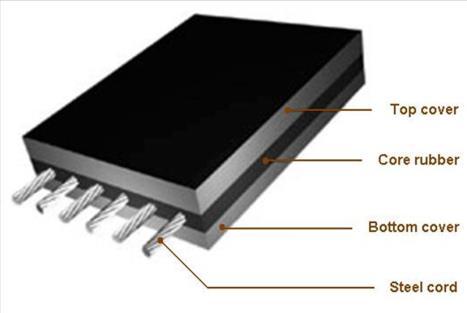
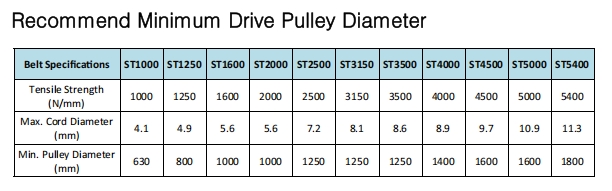
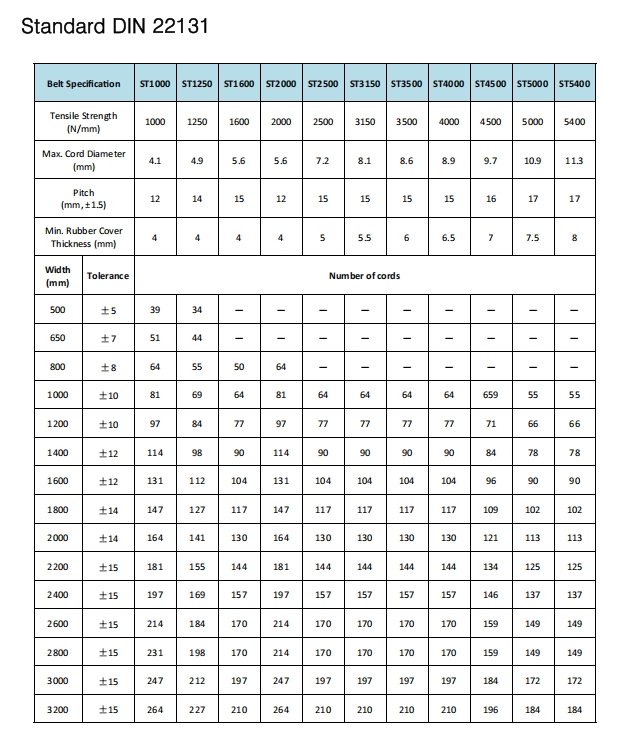
| Aspect | Steel Cord Conveyor Belts | Fabric Conveyor Belts |
|---|---|---|
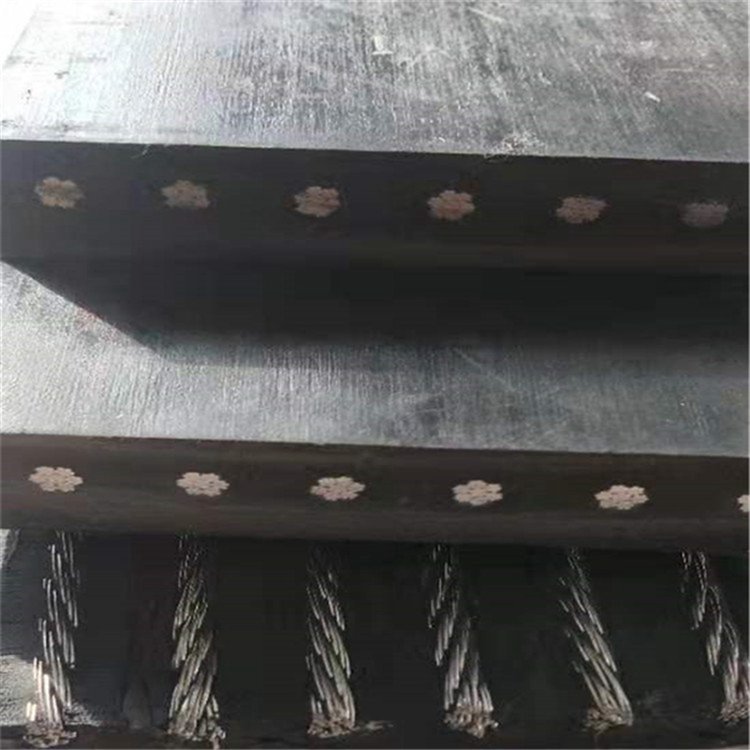
| Strength and Durability | – Superior tensile strength due to steel cords encased in rubber. – Capable of carrying heavier loads over longer distances. – Less prone to stretching, tearing, and wear and tear. – More reliable and durable for heavy-duty applications. | – Lower tensile strength compared to steel cord belts. – Less suitable for very heavy loads and long distances. – More prone to stretching, tearing, and wear and tear. |
| Efficiency | – Handle heavier loads, reducing the number of conveyor belts needed. – Durability leads to reduced need for replacements or maintenance. – Overall more cost-effective in the long run for heavy-duty operations. | – May require more belts for the same load due to lower strength. – Potentially higher maintenance and replacement costs. |
| Load and Speed | – Can operate under higher tension. – Suitable for longer center distances and higher lift heights. – Capable of moving large volumes of materials at faster speeds. – Enhances operational throughput. | – Lower tension operation. – Shorter center distances and lower lift heights. – Slower speeds for material movement. – Less effective in handling large volumes quickly. |
Manufacturing Process of Steel Cord Belt Conveyor
The manufacturing process of steel cord conveyor belts involves several sophisticated and critical steps to ensure their durability and performance. Here’s an overview of the key stages involved:
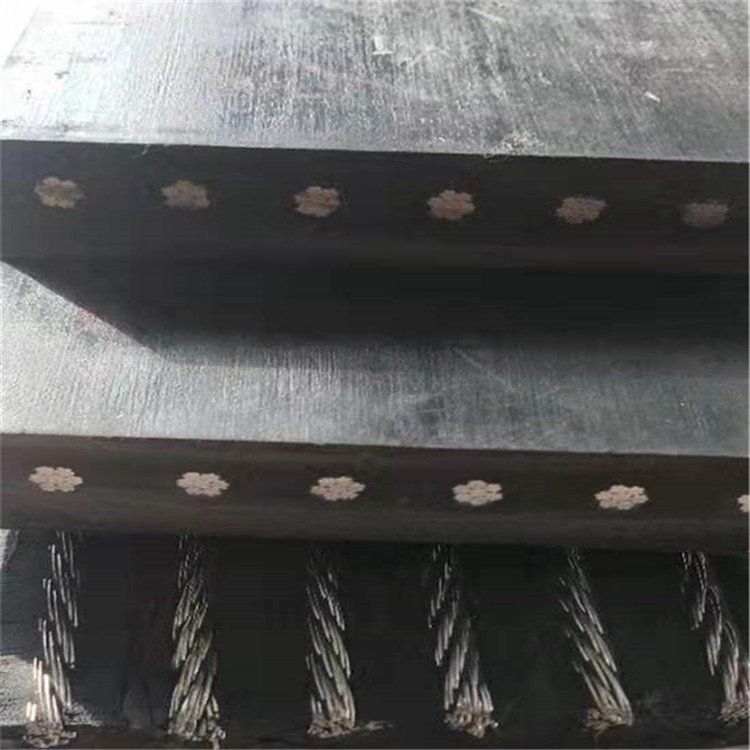
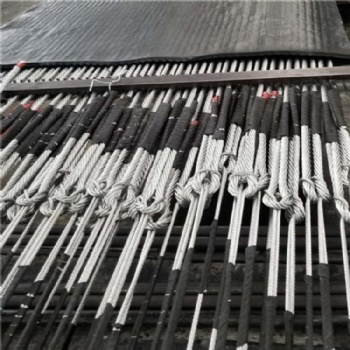
Materials Preparation: The process begins with the preparation of materials, primarily steel cords which are the main strength carriers in these belts. The steel cords are specially designed to handle high tensile forces and are treated with anti-corrosive coatings to prevent rust and enhance adhesion to rubber.
Rubber Mixing: Simultaneously, rubber compounds are prepared through a mixing process. Different formulas are used for the top and bottom covers and the core, depending on the belt’s intended use. The compounds often include natural rubber or synthetic polymers enhanced with chemicals for improved resistance against abrasion, heat, chemicals, and oils.
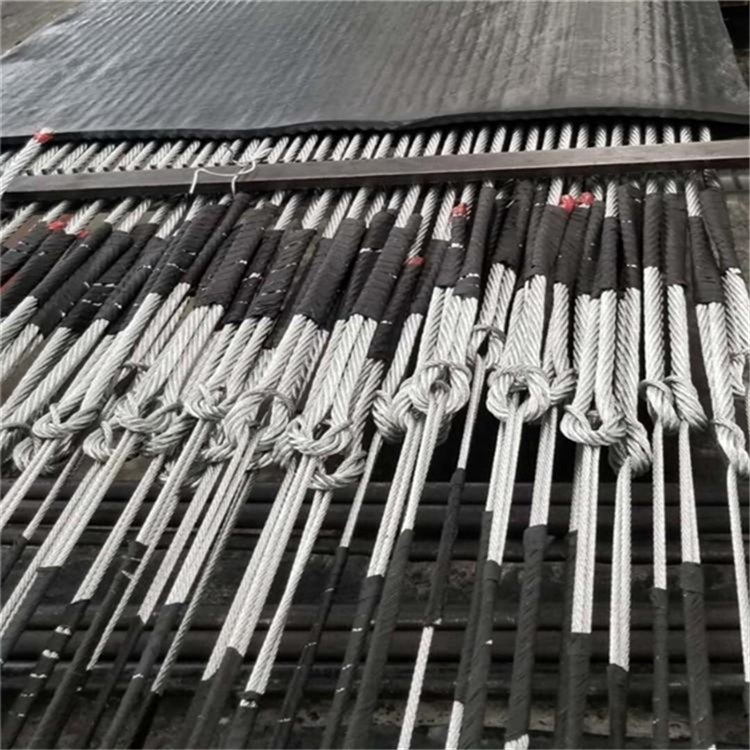
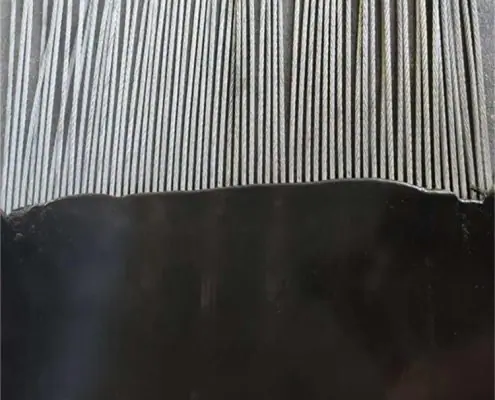
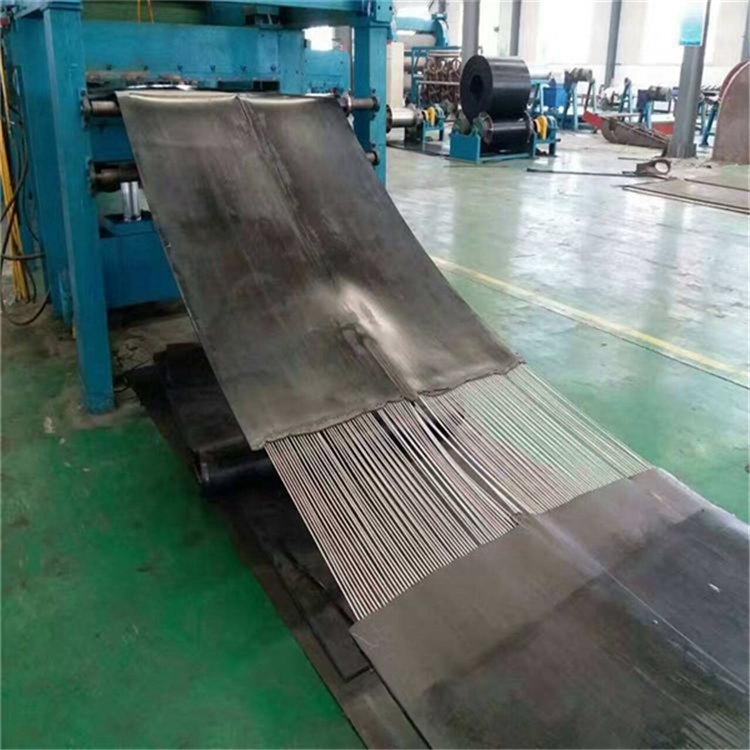
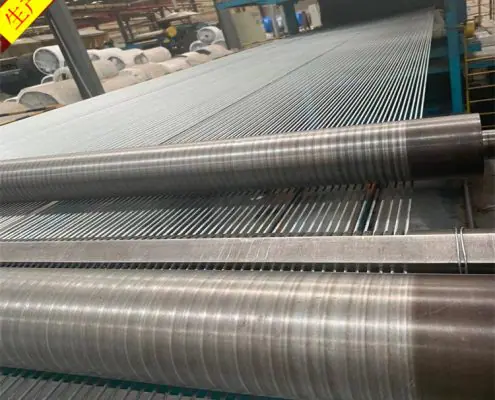
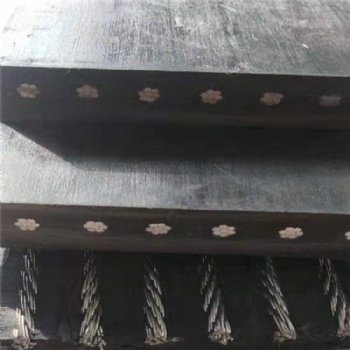
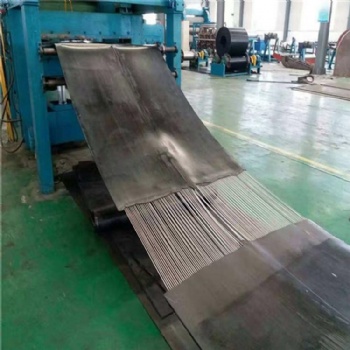
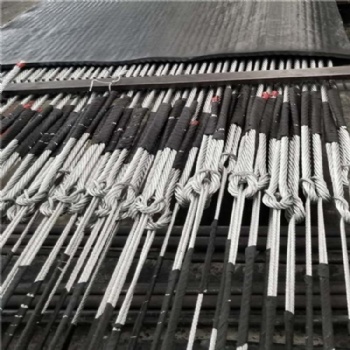
Cord Laying and Calendaring: The steel cords are laid out in parallel and at equal distance on a special laying machine. Then, they are embedded into the rubber using a calendaring process. During calendaring, rubber is pressed into and around the cords under heat and pressure to ensure a strong bond.
Pressing and Vulcanization: The assembled belt then undergoes pressing where it is shaped into its final thickness and width. Following this, the belt is vulcanized in a press or a continuous vulcanization line (CV line). Vulcanization is a curing process where the belt is subjected to heat and pressure to form a solid, durable structure. This step is crucial as it determines the mechanical properties and performance of the finished conveyor belt.
Cooling and Finishing: After vulcanization, the belt is cooled gradually to stabilize its properties. The edges of the belt are then trimmed and sealed to prevent fraying of the steel cords and rubber.
Inspection and Quality Control: The final stage involves rigorous testing and inspection to ensure the belt meets all quality standards. Tests might include checking for proper adhesion between the cords and the rubber, tensile strength, elongation, and resistance to various environmental factors.
Winding and Packaging: Once approved, the belts are wound onto large reels and prepared for shipping. The belts might also be cut into specific lengths as per customer requirements before dispatch.
This complex manufacturing process ensures that steel cord rubber conveyor belt are capable of handling heavy loads and running over long distances with minimal stretch and maintenance. These belts are crucial for heavy-duty applications such as mining, material handling, and bulk transportation.